Case Study – Yew Taxus Bacata
The title keeps the spelling used on this page. The usual botanical name of European yew is Taxus baccata.
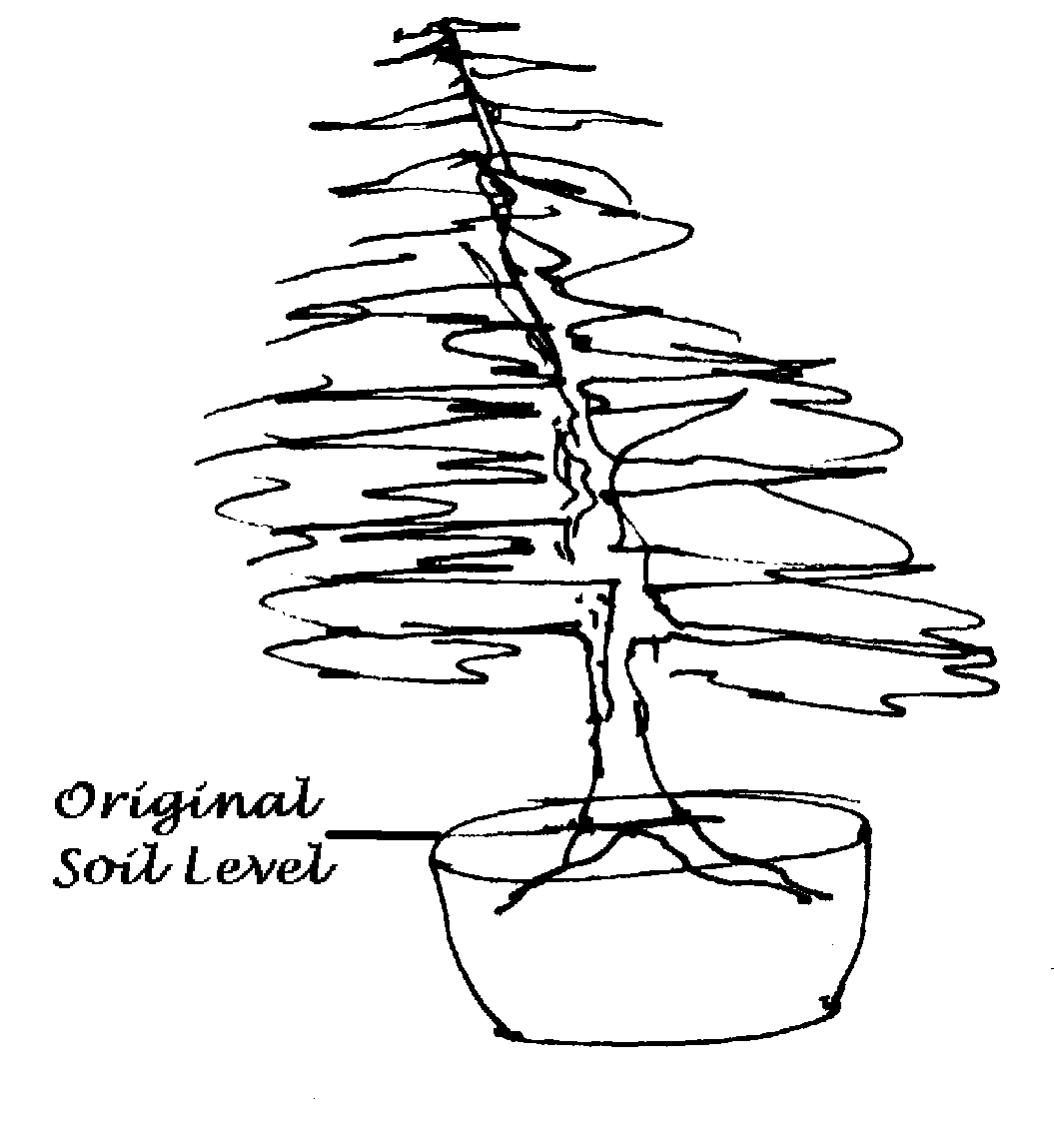
1. This tree was collected and established for eighteen months before anything was done. With good extensions in the first year, I know that it was producing a good root system. At this stage the tree was too tall and basically a bush. Overall height 3 ft 6 in, width 2 ft 6 in, no roots exposed. The first move was to reduce it to the basic branches needed for the styled tree. The top was completely removed, leaving a bare trunk emerging from the branches. This was carved and lime-sulphured. The branches were wired and a basic form made.
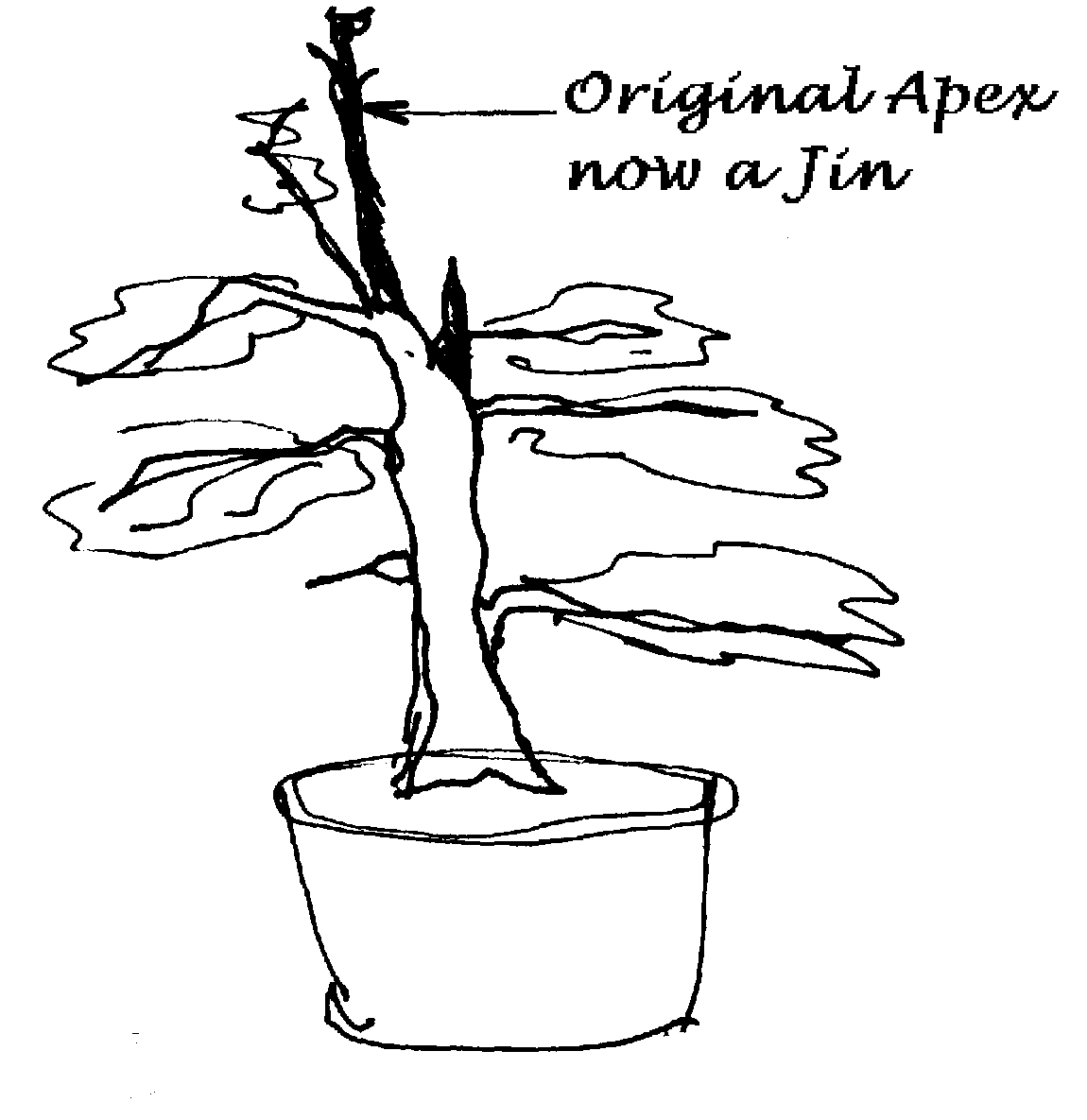
2. Six months later I decided to give age to what was a young-looking tree by carving out the centre. This would tie into the top jin and give it a more believable image of old age, that is, after being hit by lightning the centre of the tree rotted away to leave just a shell.
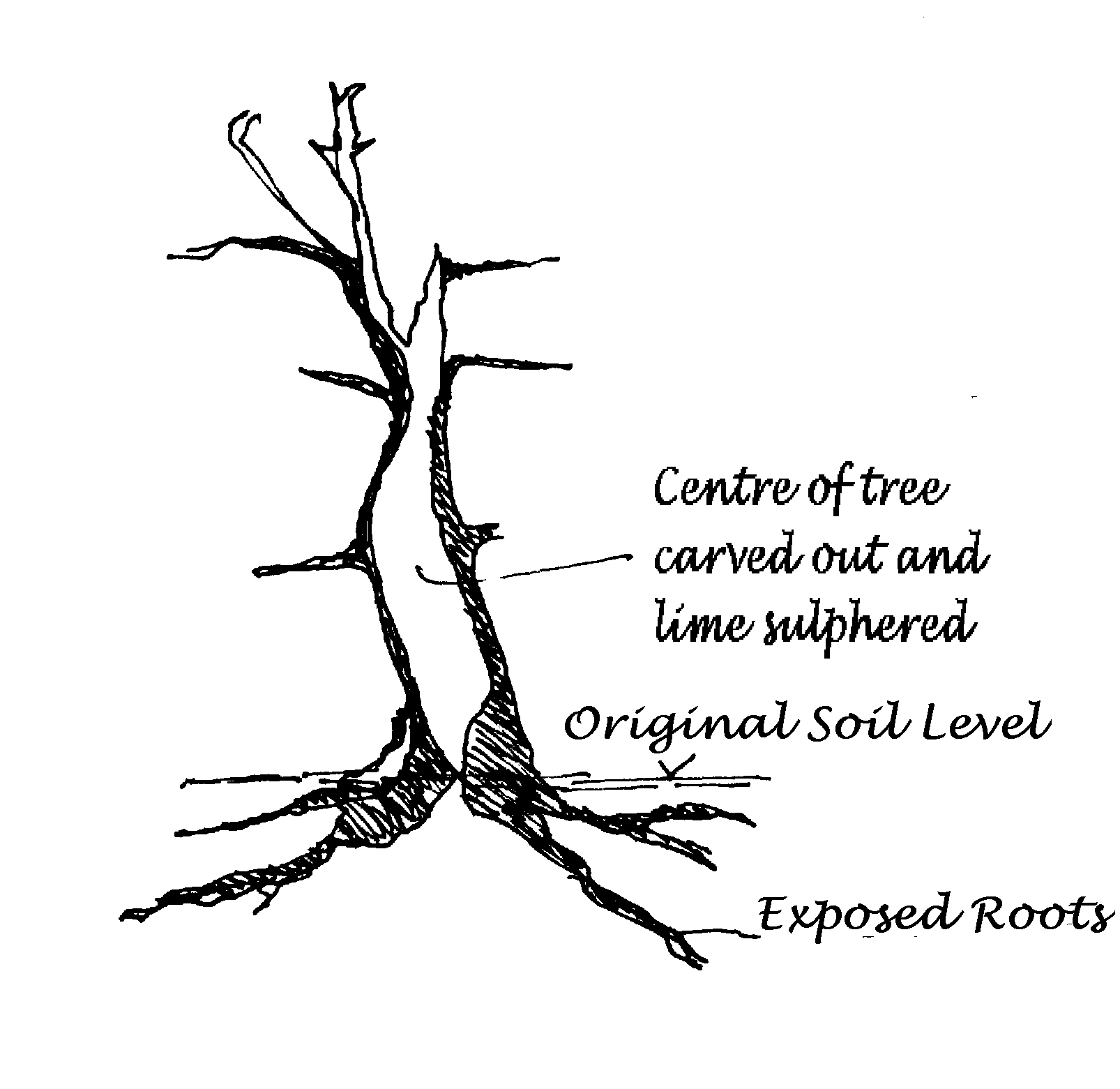
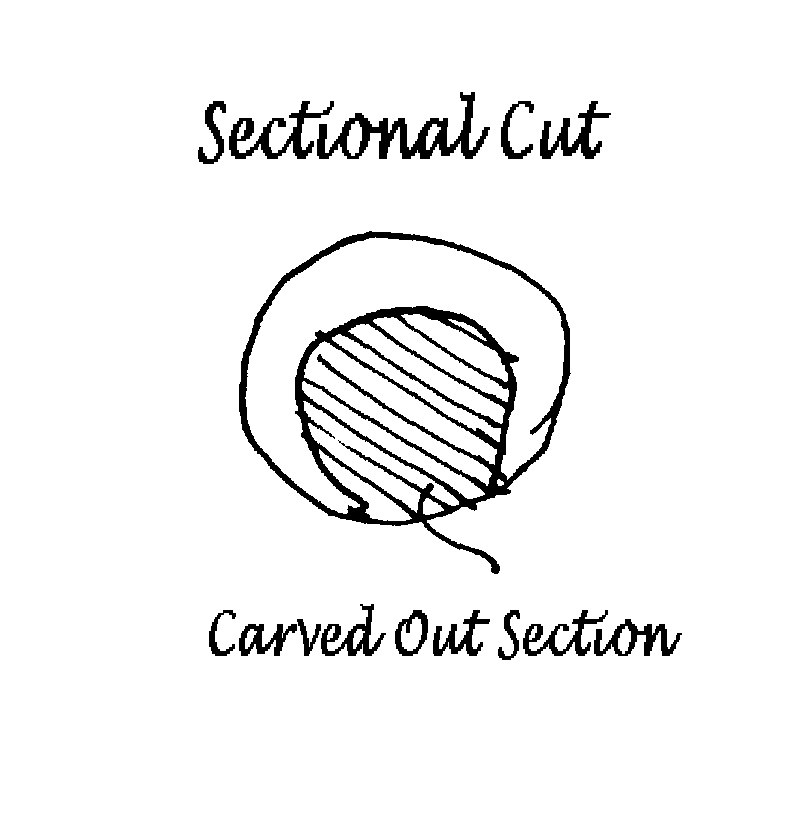
3. That coming spring I removed all soil with water and repotted in its current pot with the exposed-root style of an aged tree. When carving out the centre of a tree — the 2014 text said “When caving out” — you must leave the sapwood intact and only remove heartwood. Otherwise the tree will dry from inside and die, or at least lose branches from thin areas. I packed the inside of the tree with sphagnum moss for one season until the wood hardened and the sap lines reestablished. Also, exterior edges were sealed with wound cut paste.
4. The tree established one year in its present pot and then was reduced in size and restyled as you see in the last photo. The upper branch was severely bent upwards with the raffia and wire technique, and a guide wire was attached.
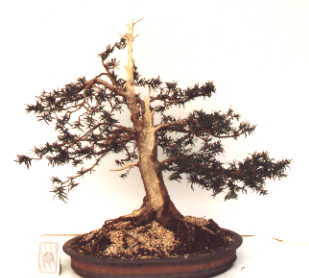
The last work to be done is on refining the shari and jin. The tree will be shown once work is completed.
Style words he uses, including jin and shari, sit next to the style list in the glossary. The glossary he published does not define jin or shari; they stay here as the names he used for the deadwood work still to be refined.